
Melbourne’s short-term rental market has exploded in recent years.
From inner-city apartments to coastal townhouses, platforms like Airbnb and Stayz have transformed how locals use their properties.
But with quick turnover and constant bookings comes one often-overlooked challenge: rubbish.
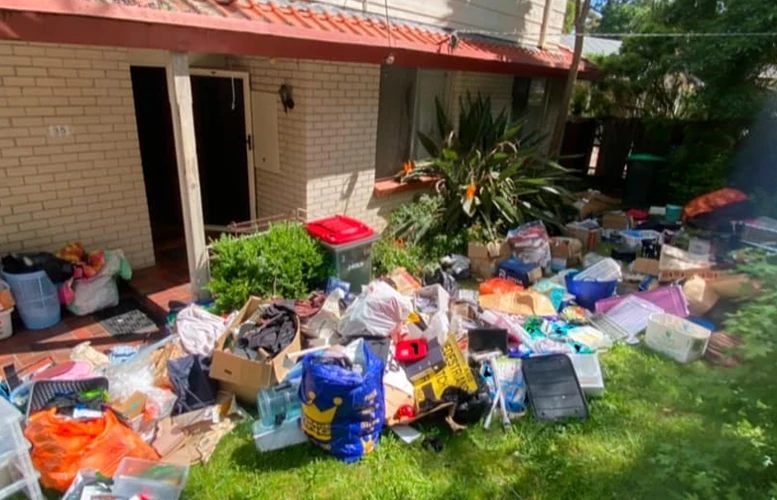
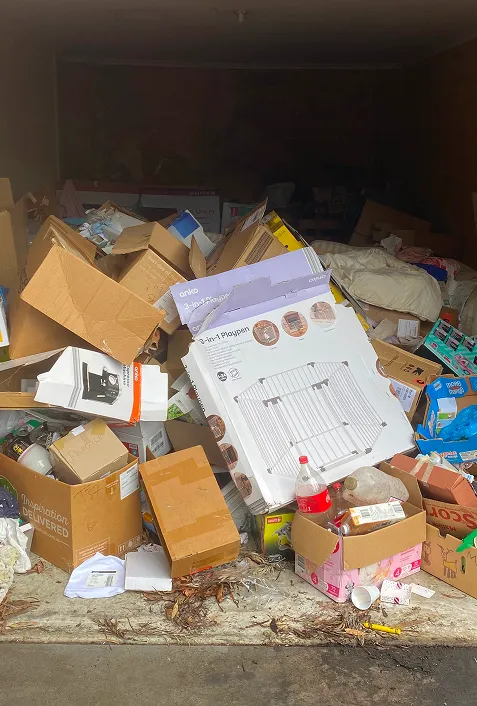
Guests leave packaging, broken items, and general clutter. Maintenance work produces waste between stays. Without regular clean-outs, waste builds up fast — and can harm a property’s reputation.
For hosts competing in a crowded market, professional rubbish removal has become an essential part of staying organised and earning five-star reviews.
The Junk Problem Behind the Guest Turnover
Short-term rentals are not like ordinary homes. They operate on tight schedules and higher use intensity.
Every check-out generates a new layer of waste.
Common issues include:
Even a few missed collections can create clutter, attract pests, or cause odour problems that turn guests away.

Why Waste Builds Up Quickly in Rentals
Limited storage space in apartments or compact homes
Council collection schedules that don’t match guest check-out times
High occupancy rates that leave no time for large clean-ups
Frequent deliveries of supplies, furniture, and décor items
In Melbourne’s competitive rental market, appearance and hygiene directly affect bookings and reviews.
The Risks of Ignoring Rubbish Buildup
How Professional Rubbish Removal Keeps Rentals Running
Instead of waiting for council pick-ups or managing bulky loads, hosts can book quick clean-outs between guests.
Flexible scheduling. Services can be booked on the same day or after guest check-outs.
Complete waste handling. Crews collect household rubbish, furniture, and green waste in one visit.
Discretion. Clean-ups are completed quickly, maintaining privacy and professionalism.
Legal compliance. All waste is disposed of at licensed Melbourne facilities.
Reduced downtime. Properties stay guest-ready with minimal disruption.
Common Types of Waste in Short-Term Rentals
| Waste Category | Examples | Recommended Disposal |
|---|---|---|
| General Rubbish | Food waste, packaging, small household items | Weekly removal or after each booking |
| Furniture | Broken chairs, tables, or couches | Professional pick-up and recycling |
| Appliances | Kettles, toasters, small electronics | Collected and processed as e-waste |
| Bedding & Linen | Old mattresses, pillows, or sheets | Removal and recycling when possible |
| Outdoor Waste | Garden trimmings, debris, rubbish from courtyards | Green waste collection or removal service |
Why Council Services Aren’t Always Enough
Melbourne’s councils do provide hard waste collections, but they are not designed for the fast pace of short-term rentals.
Typical limitations include:
Scheduling Clean-Outs Strategically
Successful hosts often treat rubbish removal like cleaning or maintenance — a recurring, essential task.
Here’s a simple schedule that works for most Melbourne short-term rentals:
A Cleaner Business Model
Professional rubbish removal helps hosts maintain these standards without adding work for property managers or cleaners.
Keeping Melbourne’s Rentals Clean and Compliant
Short-term rentals are an important part of Melbourne’s accommodation industry. They bring visitors into neighbourhoods and create income for property owners.
Managing waste properly keeps the system running smoothly.
Professional rubbish removal provides the reliability, safety, and efficiency that hosts need to stay competitive.
For Melbourne’s growing community of hosts, it’s not just a convenience — it’s essential maintenance.
Further Reading:
Read more about waste disposal and recycling guidelines at EPA Victoria.
