
Every office accumulates rubbish over time. Outdated computers, broken chairs, boxes of old files, and excess packaging materials often end up pushed into corners or storerooms. At first, the clutter seems harmless. But over months or years, it begins to take a measurable toll on productivity, safety, and even profitability.
In Melbourne’s competitive business landscape, commercial space is expensive. Every square metre filled with unused equipment or waste represents lost potential. It also makes offices harder to clean, less organised, and less appealing to staff and clients.
Rubbish is not just a visual problem. It is a financial one too.
How Waste Builds Up in Offices
Office waste accumulates quietly. The causes are often practical rather than careless.
Technology updates leave behind redundant hardware. Deliveries bring packaging that no one has time to remove. Staff changes create piles of unused stationery, furniture, and old marketing materials.
Melbourne’s steady shift toward hybrid and flexible work has also played a part. Many offices downsized or restructured after 2020, but kept old equipment “just in case.” Now, these items sit unused in storerooms or meeting spaces, gathering dust and taking up valuable room.
Over time, what started as a few leftover chairs becomes an entire storage area dedicated to waste.
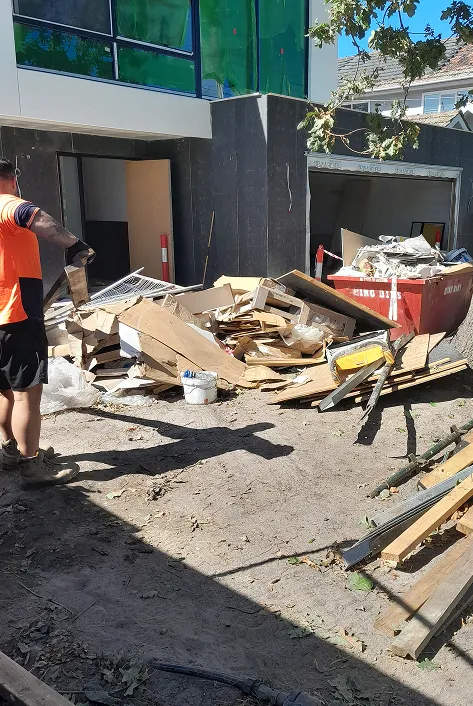
The Real Cost of Cluttered Workspaces
Reduced productivity
Staff spend time navigating around cluttered areas or searching for equipment. Disorganisation creates mental fatigue and slower workflows.
Lost space
Commercial rent in Melbourne can range into the thousands per square metre each year. A cluttered storeroom filled with waste is an expensive storage unit for things that no longer serve the business.
Safety and compliance issues
Obstructed walkways, blocked exits, and heavy items stored unsafely increase the risk of workplace injury. Under occupational health and safety regulations, employers must maintain a clean and hazard-free environment.
Poor presentation
Clients and staff notice when spaces feel unkempt. First impressions matter, particularly in professional services or hospitality settings where presentation reflects reliability.
Why Many Businesses Delay Clean-Ups
Most office managers know the problem exists, but it is rarely the top priority.
Day-to-day operations take precedence, and waste removal gets postponed until it becomes unavoidable.
There are practical challenges too.
Office buildings in central Melbourne often have limited waste collection access. Shared loading docks or narrow laneways make it difficult for staff to transport bulky items.
Council waste services generally focus on household rubbish, not commercial clean-ups.
Without a structured plan, many offices simply shift the problem out of sight — to basements, storage cages, or secondary offices.
Scheduled Rubbish Removal as a Business Tool
Regular, professional rubbish removal is not just about cleanliness. It is a maintenance strategy.
Scheduled collections help businesses manage waste before it becomes disruptive. They also ensure compliance with environmental standards and reduce the risk of workplace hazards.
For example, a scheduled monthly or quarterly rubbish removal program allows businesses to:
The process is efficient, predictable, and adaptable to office schedules.
A Safer and More Efficient Workplace
Removing rubbish from the workplace directly improves safety.
Clear walkways and storage areas reduce the risk of trips and falls.
Less clutter means better airflow and easier cleaning, which supports hygiene and air quality.
From an operational perspective, organised offices are more efficient. Staff can access equipment quickly, maintenance teams can work without obstacles, and management can use space strategically instead of reactively.
A cleaner office also sends a clear message to employees: the workspace is cared for and managed professionally. That sense of order can improve motivation and wellbeing.
Sustainability and Corporate Responsibility
Melbourne’s business community is becoming increasingly conscious of environmental responsibility.
Waste reduction and recycling targets are now part of many corporate sustainability goals.
Professional rubbish removalists play an important role in achieving these targets.
They sort materials for recycling, dispose of electronics in line with e-waste standards, and transport waste to licensed facilities under EPA Victoria guidelines.
For businesses aiming to improve their environmental reporting, this provides measurable, verifiable outcomes.
Partnering with a compliant waste removal provider also reduces the risk of reputational damage from improper disposal or environmental breaches.
A Practical Guide to Office Waste Management
The Value of Professional Support
Crews use lifting tools, vehicles, and protective equipment designed for office environments. They can clear spaces quickly and discreetly, allowing operations to continue without disruption.
For multi-storey buildings, they manage access logistics and comply with property management requirements.
This approach saves time and protects staff from unnecessary risk. It also demonstrates a company’s commitment to maintaining professional standards.
Investing in a Clean, Productive Future
The real cost of office rubbish is not measured in waste bins or disposal fees. It is measured in lost time, wasted space, and missed opportunities.
For Melbourne businesses, regular rubbish removal is both a practical and strategic investment. It supports safety, efficiency, and sustainability — and helps companies make better use of every square metre they pay for.
A clean office is not just tidier. It is a smarter, more productive place to work.
Further Reading
Learn more about Melbourne’s commercial waste guidelines at EPA Victoria.
