
Getting rid of large or heavy household items often seems straightforward until you try to do it yourself.
A broken sofa, a fridge that no longer works, or a pile of old mattresses can quickly become more than just a nuisance. Without the right approach, bulky waste disposal can lead to injury, fines, or wasted time.
In Melbourne, these items fall under the category of hard rubbish, and the rules for their disposal are stricter than many residents realise. Each council has its own regulations on what can be collected, when, and how.
Failing to follow them can result in unwanted charges or even penalties.
Understanding the correct process helps keep Melbourne’s waste systems safe, fair, and environmentally responsible.
What Counts as Bulky Waste
Bulky waste generally includes any item that cannot fit in standard household bins or council recycling containers.
This covers:
The Risks of DIY Disposal
In practice, this often leads to problems.
The most common risks include:
Injury
Moving heavy or awkward items without proper lifting equipment can cause strains, sprains, or back injuries.
Incorrect disposal
Dumping items in the wrong place or at the wrong time can breach local regulations. Councils monitor illegal dumping closely, and penalties can apply.
Environmental impact
Appliances like fridges or freezers may contain gases or components that must be handled at licensed facilities. Disposing of them improperly can lead to contamination.
Hidden costs
Some waste transfer stations charge additional fees for unprepared or mixed loads. A single fridge or mattress may require a separate drop-off point.
Melbourne’s Hard Rubbish Rules
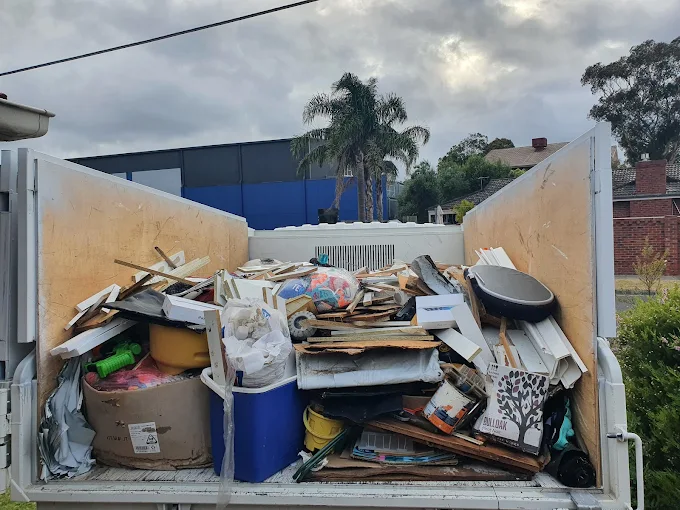
Melbourne’s councils each run their own hard rubbish collection systems, which vary in scope and frequency.
Most offer one or two free collections per year, usually limited to one cubic metre of waste.
Some require advance bookings and may refuse items such as building materials, tyres, or large appliances.
For example, some inner-city councils only accept items placed neatly on the nature strip during designated collection periods. Others in the outer suburbs allow scheduled pick-ups by request.
Mixing general waste with recyclable materials can lead to a missed collection or additional charges.
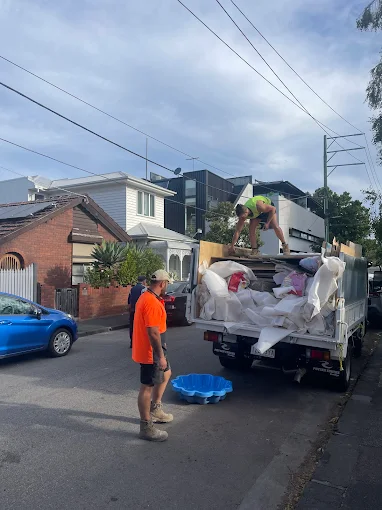
Because of these inconsistencies, many residents now rely on professional rubbish removal services that can handle furniture, mattresses, appliances, and mixed loads in a single visit.
Safe Handling and Manual Lifting
Bulky waste removal is one of the most common causes of domestic injury during moves or clean-ups.
Items like wardrobes or fridges often weigh more than expected, and their shape makes them difficult to carry safely.
Before lifting, assess whether the item can be dismantled. Remove drawers, doors, or shelves to reduce weight.
Always bend at the knees, keep your back straight, and use lifting straps if possible.
If an item cannot be moved easily with two people, it should not be lifted manually at all.
Professional removal teams use trolleys, ramps, and mechanical aids designed for heavy items.
They are also trained to manage risks on stairs, narrow hallways, or sloped driveways — common in Melbourne homes.
Permits and Legal Responsibilities
In most cases, residents are responsible for ensuring their bulky waste is disposed of correctly.
Leaving items on public land without council approval counts as illegal dumping, even if you believe collection is scheduled.
If you are hiring a skip bin or planning a private drop-off, check whether a council permit is needed. In some suburbs, placing a bin or waste pile on the nature strip or roadway requires written permission.
Licensed rubbish removal companies hold the necessary documentation and are registered to transport waste to approved facilities.
This ensures compliance with EPA Victoria regulations and provides traceability in case of audits or disputes.
When To Call In the Professionals
Calling in a professional rubbish removalist makes sense in several scenarios:
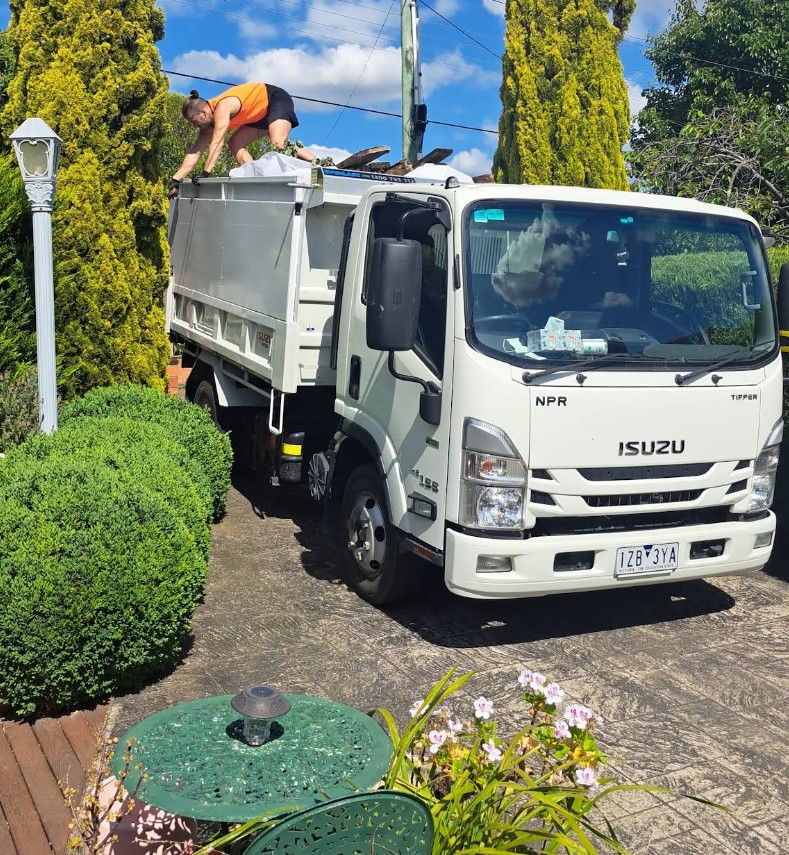
Professional rubbish removalists handle every step of the process. They sort, load, transport, and dispose of items at licensed recycling or landfill facilities.
They also provide documentation confirming legal disposal, which can be useful for property managers or tenants.
Practical Disposal Tips
Check council collection rules before putting items out.
Separate recyclables and donations from true rubbish.
Label items clearly if they are for collection to prevent confusion with neighbours’ waste.
Avoid blocking footpaths or driveways when placing items out for pick-up.
Book early if you need professional help near settlement or move-out dates.
A Smarter Way to Handle Big Waste
Melbourne’s bulky waste problem is not just about space. It is about safety, legality, and responsibility.
Handling large items the right way protects people from injury and ensures recyclable materials do not end up in landfill.
For homeowners, tenants, and property managers, professional rubbish removal offers peace of mind.
It is the simplest and most reliable way to clear space while staying compliant with council and environmental standards.
Large waste items might be inconvenient, but with the right plan, they can be removed efficiently, safely, and responsibly.
Further Reading:
For council-specific disposal guidelines, visit EPA Victoria or your local council’s hard waste page.
